

Take Control of Your Blood Sugar: The Ultimate Guide to Balanced Health
Maintaining healthy blood sugar levels is essential for overall health, energy, and longevity. Millions of people struggle with fluctuating blood sugar, leading to fatigue, weight gain, and increased risk of chronic conditions such as diabetes. The good news? With the right strategies, diet, and supplements, you can stabilize your blood sugar and regain control of your life. In this guide, we’ll explore proven methods and introduce a natural solution to support your journey.
1. Understanding Blood Sugar and Its Impact on Your Health
Blood sugar, or glucose, is the primary source of energy for your body. When you eat, your body converts carbohydrates into glucose, which enters the bloodstream. Insulin, a hormone produced by the pancreas, helps regulate glucose levels.
Problems arise when your blood sugar levels spike or drop too frequently. High blood sugar over time can damage organs, nerves, and blood vessels, while low blood sugar can cause dizziness, confusion, and fatigue. Understanding these fluctuations is the first step to achieving optimal blood sugar control.
2. Top Lifestyle Changes to Stabilize Blood Sugar
Lifestyle plays a pivotal role in maintaining healthy glucose levels. Here are the most effective changes you can make:
- Balanced Diet: Focus on fiber-rich vegetables, lean proteins, and whole grains while minimizing sugar and processed foods.
- Regular Exercise: Activities like walking, cycling, or strength training can improve insulin sensitivity and help your body use glucose efficiently.
- Stress Management: Chronic stress increases cortisol, which can spike blood sugar. Mindfulness, meditation, or yoga can help.
- Sleep Optimization: Poor sleep can interfere with glucose metabolism. Aim for 7–9 hours per night.
Adopting these habits consistently can make a noticeable difference in blood sugar control and overall well-being.
3. The Role of Supplements in Blood Sugar Support
While diet and lifestyle are critical, supplements can provide an extra layer of support. Certain natural ingredients help stabilize glucose levels, improve insulin sensitivity, and reduce sugar cravings.
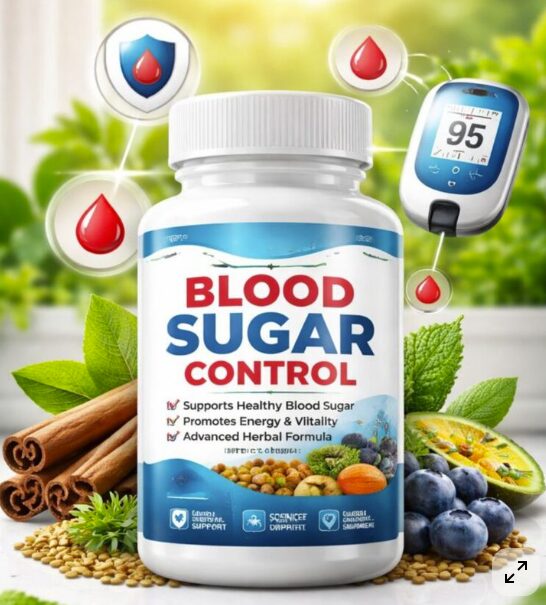
One highly recommended solution is a premium Blood Sugar Control supplement. It contains clinically studied ingredients that help manage glucose levels, support healthy metabolism, and maintain energy throughout the day.
💡 Affiliate CTA: Click here to try Blood Sugar Control today and take the first step toward balanced glucose!
4. Foods That Naturally Help Lower Blood Sugar
Adding specific foods to your daily meals can naturally help regulate glucose levels. Some of the top blood sugar-friendly foods include:
- Leafy greens like spinach and kale
- Berries such as blueberries and strawberries
- Nuts and seeds, including almonds and flaxseeds
- Legumes like lentils and chickpeas
- Cinnamon and turmeric, known for their glucose-balancing properties
Pairing these foods with protein and healthy fats slows sugar absorption and prevents spikes.
5. Monitoring and Tracking Your Progress
Consistent monitoring is key to blood sugar management. You can track your glucose using a glucometer or wearable devices that provide real-time insights.
- Daily Logs: Record your meals, exercise, and glucose levels to identify patterns.
- Regular Checkups: Consult your healthcare provider for periodic assessments and guidance.
- Supplement Integration: Track how natural supplements like Blood Sugar Control affect your daily readings.
Over time, this data empowers you to make smarter choices and maintain stable blood sugar levels effortlessly.
Conclusion: Take Charge of Your Blood Sugar Today
Healthy blood sugar isn’t just about preventing disease—it’s about living a vibrant, energetic life. By combining lifestyle changes, smart food choices, and natural supplementation, you can achieve lasting results.
Don’t wait to take control of your health. Start today with Blood Sugar Control to support balanced glucose levels, improved energy, and a healthier you.
💥 Affiliate CTA: Order Blood Sugar Control now and start your journey to balanced blood sugar!
✅ SEO Notes:
- Target keywords included: blood sugar control, stabilize blood sugar, blood sugar supplement, and natural blood sugar support.
- Headings formatted with H2 for SEO prominence.
- Affiliate CTAs are naturally integrated without overstuffing.
Leave a Reply