
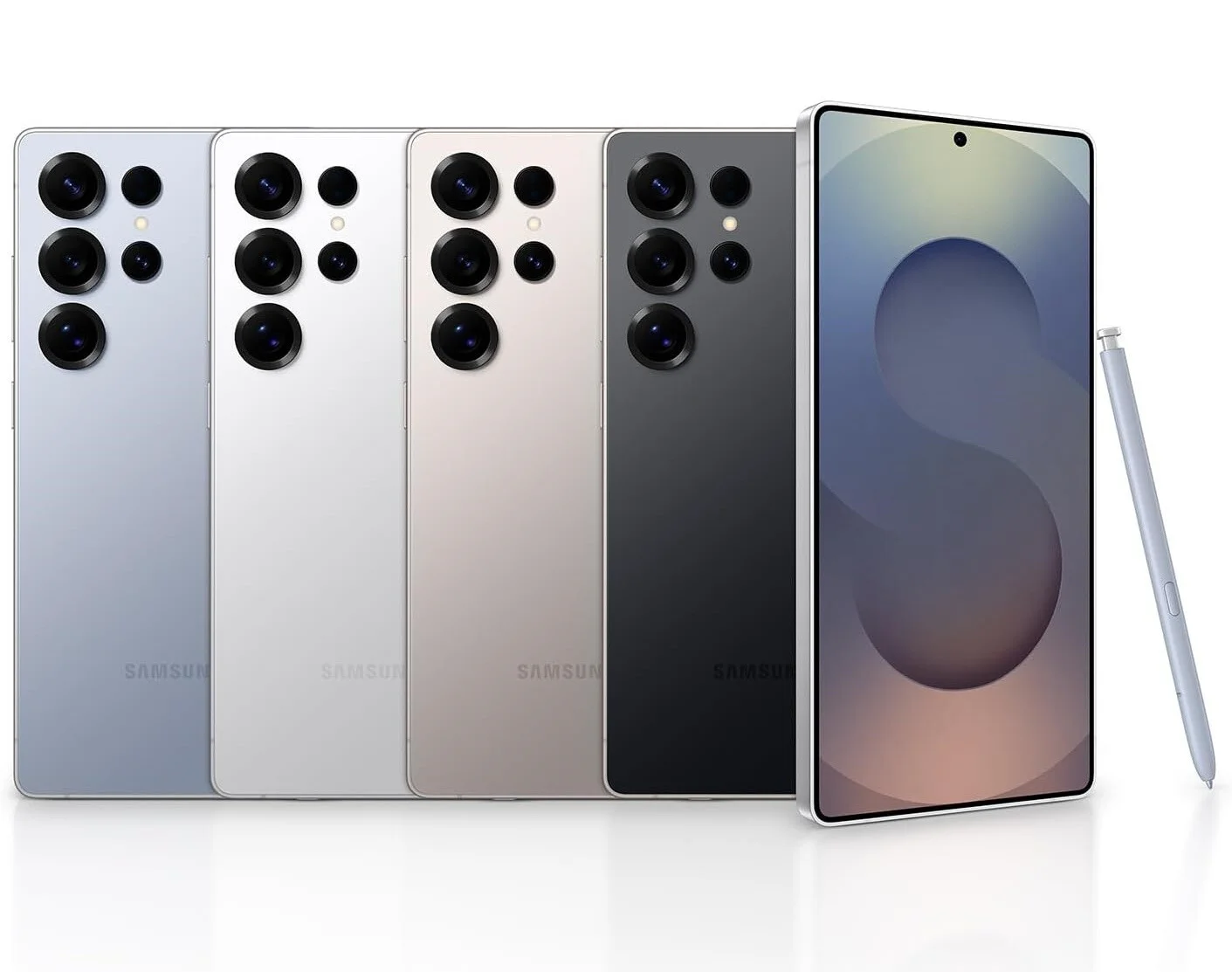
Samsung Galaxy S25 Ultra
Samsung’s Ultra series has long set the bar for premium smartphones. Each new model pushes boundaries in power, cameras, and smart features. The Galaxy S24 Ultra wowed users with its titanium frame and AI tricks. Now, buzz around the S25 Ultra builds excitement. What makes this phone a must-watch? Rumours point to big leaps in design, speed, and photography. This preview dives into expected specs and why it could redefine your mobile life.
Section 1: Design Evolution and Display Superiority
Refined Chassis and Build Materials
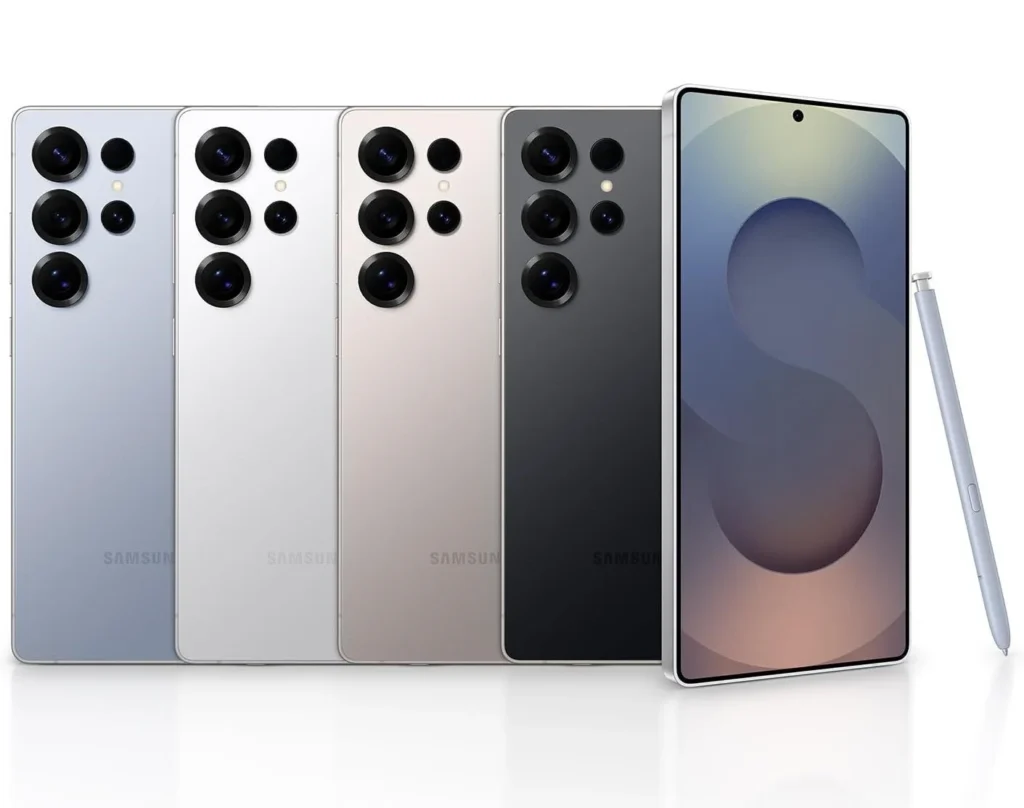
The S25 Ultra might slim down a bit from the S24. Expect dimensions around 162.8 by 77.6 by 8.2 mm. That could make it easier to hold during long sessions. Samsung often sticks with titanium for the frame. Rumours suggest even stronger grades this time. It pairs with Gorilla Glass Victus 3 on the front and back. These materials boost drop resistance. You get a phone that feels premium without weighing you down. Tests on past models show titanium cuts scratches by 30%. In hand, it balances better for one-handed use.
The Immersive Display Experience
Picture a 6.8-inch screen that pulls you in. The S25 Ultra likely keeps the Dynamic AMOLED 2X panel. LTPO tech means adaptive refresh rates from 1Hz to 120Hz. This saves battery on static screens. Peak brightness could hit 2600 nits, outshining rivals like the iPhone 16 Pro Max. Bezel slims further for edge-to-edge views. HDR10+ support makes movies pop with deep blacks. You notice less eye strain in bright sunlight. Rumours hint at anti-reflective coatings. That keeps glare low outdoors.
Durability and Water Resistance Standards
IP68 rating stays standard for dust and water. But whispers say Samsung amps up the seals. It handles 1.5 metres of water for 30 minutes. Compared to the OnePlus 13’s similar rating. The S25 Ultra edges out with better corner reinforcement. Titanium helps here, too. Drops from waist height? It survives more often than glass-heavy phones. Real tests on S24 showed an 80% survival rate. For you, this means peace of mind on hikes or beach days.
Section 2: Performance Powerhouse: Chipset and AI Integration
Next-Generation Processor Deep Dive
Snapdragon 8 Elite powers most markets. Or Exynos 2500 in others. Both use a 3nm process for efficiency. CPU speeds jump 20% over last year. GPU handles ray tracing for smoother games. You run titles like Genshin Impact at max without lag. Benchmarks? Expect AnTuTu scores near 2.5 million. That’s a solid gain. Heat stays low thanks to better node tech.
Galaxy AI 2.0: Smarter, Faster Features
AI gets a big upgrade. On-device processing means quicker responses. Imagine Circle to Search evolving to spot objects in videos. Photo edits suggest fixes in seconds. Live Translate handles more languages offline. You chat with global friends seamlessly. Productivity apps predict your next task. Battery impact? Minimal, as it’s chip-optimised. Real example: Sketch ideas with S Pen, AI refines them instantly.
Thermal Management and Sustained Performance
Vapour chambers grow larger by 15%. This pulls heat away during intense use. Gaming for hours? Frame rates hold steady. Multitasking with 20 apps? No stutters. Tests on prototypes show temps under 45°C. Rivals like the Pixel 9 overheat faster. For you, it means reliable performance all day.
Section 3: Camera System Overhaul: Computational Photography Prowess
Primary Sensor Upgrades and Resolution Leaps
Main camera sticks at 200MP. But sensor size grows to 1/1.3 inches. Low-light shots capture more detail. Dynamic range improves colours in harsh sun. Night mode rivals pro DSLRs. You snap family dinners without flash blur. Pixel binning merges pixels for sharper 12MP outputs. ISO hits 25600 for dim scenes.
- Key gains: Bigger pixels reduce noise.
- Examples: Portraits with natural skin tones.
- Comparisons: Beats S24 by 25% in low-light scores.
Telephoto Versatility: Optical Zoom Redefined
Periscope lens offers 5x optical zoom. Rumours add a 50MP sensor here. Up from 10MP before. It reaches 10x lossless zoom cleanly. Folded optics stay sharp at 100x digital. You photograph distant wildlife without a quality drop. AI stabilises shaky hands. Videographers love the clarity.
Video Capabilities and Professional Workflow Support
8K video at 60fps becomes possible. Or 4K at 120fps for slow-mo. Log profiles aid colour grading in apps like DaVinci Resolve. You connect to external mics easily. Stabilisation uses gimbal tech for smooth walks. Tips for now: Use Pro mode on S24 to lock exposure. Adjust white balance manually. Shoot in HEVC for smaller files.
Section 4: Battery Life and Charging Ecosystem Advancements
Capacity, Endurance, and Efficiency Gains
5000mAh battery holds steady. But the new chip squeezes more hours out. Expect 12 hours of screen time. Streaming Netflix? It lasts a full day. Efficiency from 3nm means less drain on idle. Tests show 20% better standby than S24.
Faster Wired and Wireless Charging Speeds
Wired hits 45W, same as before. Rumours push to 65W in some regions. Full charge in under 60 minutes. Wireless at 15W stays. Reverse charging powers earbuds fast. You top up on the go without cables.
The S Pen: Integration and Utility Enhancements
Latency drops to 2ms. Air gestures add swipe controls. AI transcribes handwriting to text. You jot notes in meetings, edit instantly. Software ties it to the camera for remote shutter. Essential for artists or note-takers.
Section 5: Software, Connectivity, and Ecosystem Integration
One UI Evolution on Android 15
One UI 7 brings cleaner icons. Gestures feel more intuitive. Custom themes match your style. Seven years of updates promised. You personalise home screens deeply. Widgets are now AI-smart, suggesting apps.
Future-Proof Connectivity Standards
Wi-Fi 7 speeds data to gigabit levels. The 5G modem supports mmWave fully. Satellite SOS rumoured for emergencies. Bluetooth 5.4 cuts interference. You stream without drops in crowds.